Women in Tech Hampshire - Working in the World of Data
16 Oct, 20268 minutes
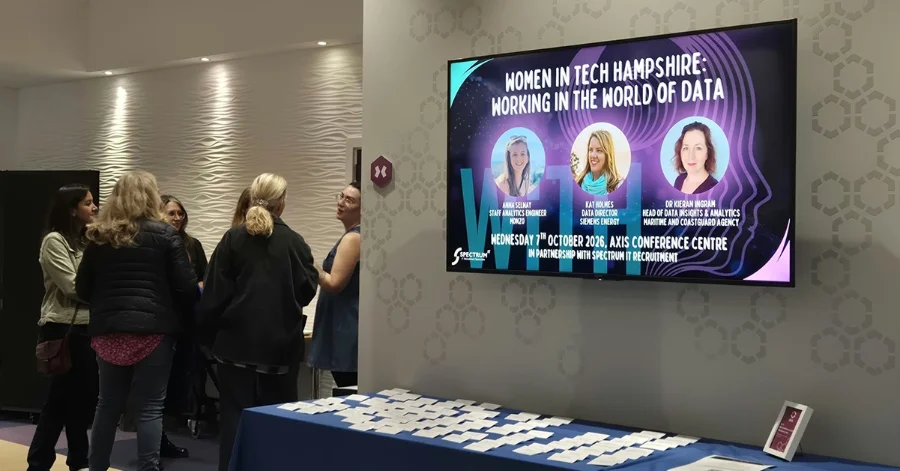
A classical singer, a computational chemist and a data leader walk into a Women in Tech Hampshire event...
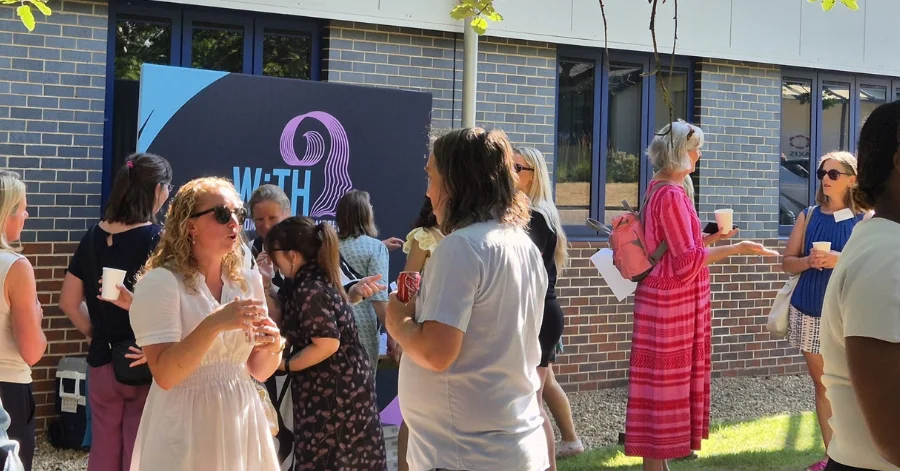
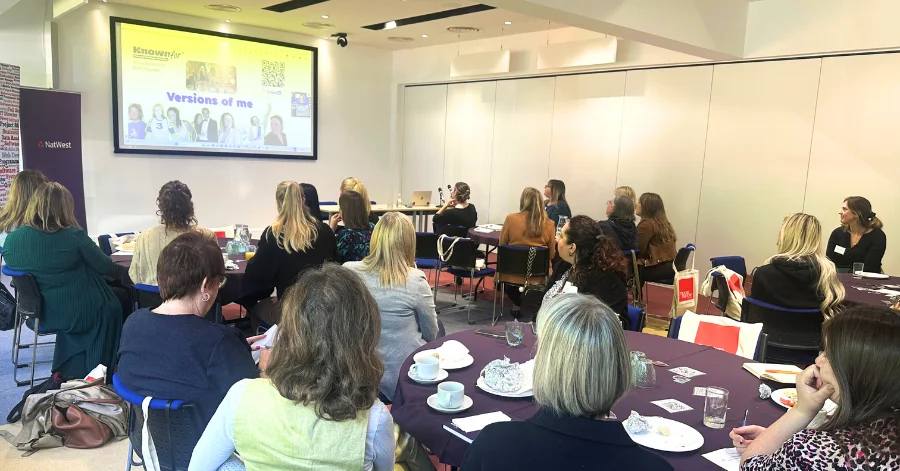
Not quite the start of a joke, but a fitting introduction to our latest Women in Tech Hampshire event, where we explored what it means to work in data, the opportunities within the field and how it is evolving alongside AI.
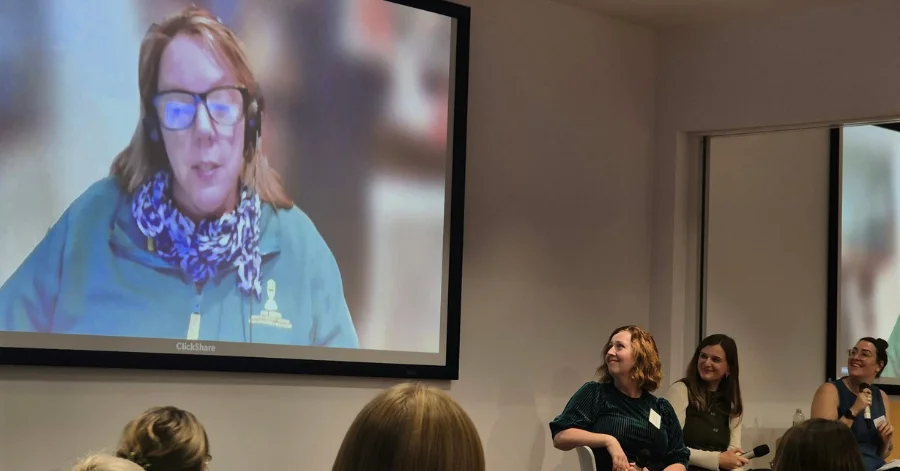
We welcomed Anna Selway, Staff Analytics Engineer at Monzo, Dr Kieran Ingram, Head of Data Insights and Analytics at the Maritime and Coastguard Agency, and Kat Holmes, Data Director at Siemens Energy, to share their experiences, career journeys and perspectives on the world of data. Unfortunately, Kat was unable to join us in person but kindly recorded her contributions ahead of the event so that we could still include her perspective in the discussion.
From unconventional career paths and changing technical roles to the importance of curiosity and human skills, the evening explored just how varied a career in data can be.
Different journeys into the world of data
Spectrum IT's Lauren James opened the discussion by asking our speakers what first attracted them to working in data.
For Kieran, the journey began during her chemistry degree, when she discovered that computational chemistry was much more appealing than working in a laboratory. After completing a PhD, she explored other career options, including journalism and project management, before realising that working with numbers was where her interests really lay. She eventually joined the Civil Service operational research profession, building a career in data modelling, analytics and data-led decision-making.
Anna's route was very different. Originally trained as a classical singer and pianist, she discovered programming through a computational humanities module at university. Her interest in the relationship between music and computer science led her towards technology, eventually progressing into analytics engineering.
Kat, meanwhile, began her career in IT, working on application implementations and enterprise systems. It was through these projects that she began to recognise the importance of data as a discipline in its own right, with GDPR-related work becoming a turning point in her career.
As she explained in her recording, "I could not be happier that I'm a data gal these days."
Although their backgrounds couldn't be more different, all three found their way into data through curiosity, developing new skills and recognising opportunities that weren't necessarily part of their original career plans.
Women in tech, women in data, or both?
One of the more interesting questions of the evening was where data sits within the wider technology industry. Do people working in data consider themselves women in tech, women in data, or both?
Kieran admitted that the question had initially left her wondering what the difference really was. Having worked in organisations where data and technology departments operated separately, she naturally identifies more closely with being a woman in data and analytics.
Kat shared a similar perspective, arguing that while technology is an important enabler, data and knowledge sit at the centre of how organisations operate, manage risk and make decisions.
Anna offered a different view. At Monzo, data, engineering, product and design are all part of the wider technology function. For her, the relationship between data and engineering isn't about one discipline serving another. "We're a partnership, we're a team, and we have different skill sets," she explained. She described how the boundaries between technical roles are becoming increasingly blurred, with data professionals taking on greater responsibilities within engineering and product development.
The discussion raised an interesting question about the labels we use within the industry and how they can shape someone's sense of belonging.
For Women in Tech Hampshire, it's a particularly relevant topic. Technology encompasses a much wider range of professions than software engineering alone, and recognising those different disciplines is important when encouraging more women to see the opportunities available to them.
Why human skills matter just as much as technical knowledge
When Lauren asked which skills had been most valuable throughout their careers, both Anna and Kieran returned to the same answer: curiosity.
Anna explained that her career progression had been driven by identifying problems, understanding what needed to change and finding ways to make improvements. For her, the technology itself isn't necessarily the most important part. It's understanding whether you're solving the right problem in the first place. Kieran agreed, but also highlighted the importance of communication and building relationships.
Data professionals often work with people across different departments, each with their own priorities and challenges. Building trust and understanding what someone is trying to achieve can be just as valuable as technical expertise.
Anna shared a practical example from her experience at Monzo. When she joined the business, she spent considerable time meeting colleagues from different departments and listening to the challenges they faced.
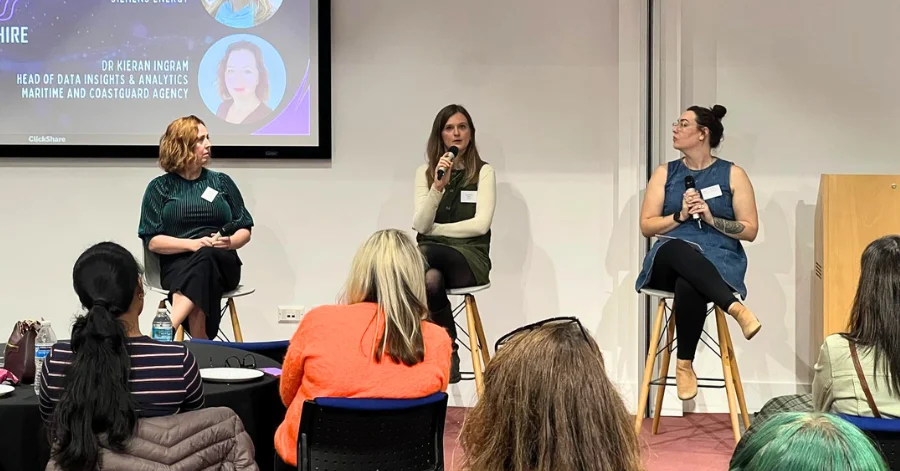
Through those conversations, she began identifying common problems that could be addressed through larger technical projects, rather than treating each issue separately. The speakers also discussed how AI could change the skills employers look for.
Kieran explained that her team is considering how traditional data specialisms might overlap in the coming years, with greater emphasis on professionals who can adapt and work across different disciplines. Anna described a similar shift in recruitment, with employers increasingly looking for candidates who can explain the wider impact of their work. "Can you articulate the impact of what you're doing? Can you talk to the success of the project?"
For anyone working in data, or thinking about moving into the field, the message was encouraging. Technical knowledge remains important, but curiosity, communication, adaptability and the ability to understand people are equally valuable.
AI, data and the importance of human judgement
With AI changing how organisations work with data, it was inevitable that the discussion would turn towards its opportunities and challenges.
Anna described AI as something that can make experienced engineers significantly more productive, but also create additional work when people rely too heavily on generated outputs without checking them. She shared examples of AI-generated code requiring considerable review because the person using the tool hadn't properly validated the results. Kieran raised similar concerns, particularly given the responsibilities of the Maritime and Coastguard Agency. "You can't just take what it gives you and assume it's correct," she explained. In an emergency service, decisions based on inaccurate information can have serious consequences, making data quality, governance and human oversight essential.
The speakers agreed that AI presents enormous opportunities, but being able to question results and understand the information behind them remains critical. The conversation also touched on how organisations can balance experimentation with responsibility.
While Anna described the opportunities available to Monzo through its established technical infrastructure and governance processes, Kieran highlighted why public-sector organisations sometimes need to take a more cautious approach.
The discussion was a useful reminder that adopting AI isn't simply about moving faster. It's about understanding where the technology adds value, how it should be used and who remains accountable for the decisions being made.
Creating opportunities for people from different backgrounds
Another encouraging part of the evening focused on how organisations are helping people develop data skills, including those without traditional technical backgrounds.
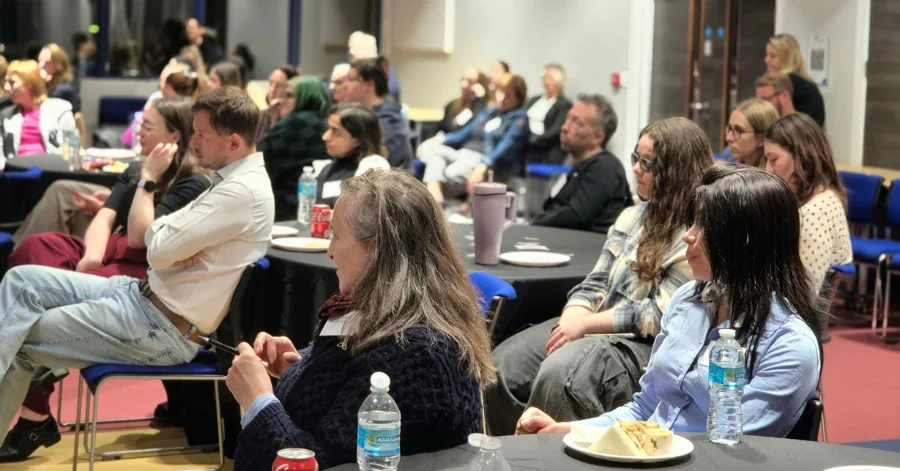
Anna shared details of Monzo's internship and internal apprenticeship programmes, which enable employees from different areas of the business to develop the skills needed to move into engineering and data roles. She explained how colleagues moving from customer support into technical positions bring valuable knowledge of the systems, processes and customer challenges they have experienced firsthand. Kieran described a similar initiative at the Maritime and Coastguard Agency, where data apprenticeships have been encouraged across different departments.
Rather than focusing solely on new graduates or existing technical professionals, the programme has involved employees of different ages and backgrounds, including those with decades of operational experience. These examples demonstrated the value of creating opportunities for people to build on their existing knowledge while developing new technical skills.
An audience member also raised a question about moving back towards data after a previous experience of working with it had been challenging. They wanted to know whether there was a place in data for someone who preferred thinking strategically rather than working through technical details.
Kieran reassured them that data teams benefit from a mix of people, including those who enjoy detailed analytical work and those who prefer understanding the bigger picture. Anna agreed, highlighting how valuable it can be when professionals understand how information moves through systems and how it is ultimately used. Both responses reinforced that there isn't one particular type of person who belongs in data, or one route towards building a successful career.
Turning data into meaningful decisions
Throughout the evening, the importance of understanding what data is actually being used for came up repeatedly. Dashboards, graphs and reports can help people understand information, but their real value lies in what happens afterwards.
Kieran emphasised how important it is to ask stakeholders what decisions their reports are supporting, rather than simply creating something because it has been requested. She recalled a phrase from a recent conference: "The forecast isn't the product. The decision is the product."
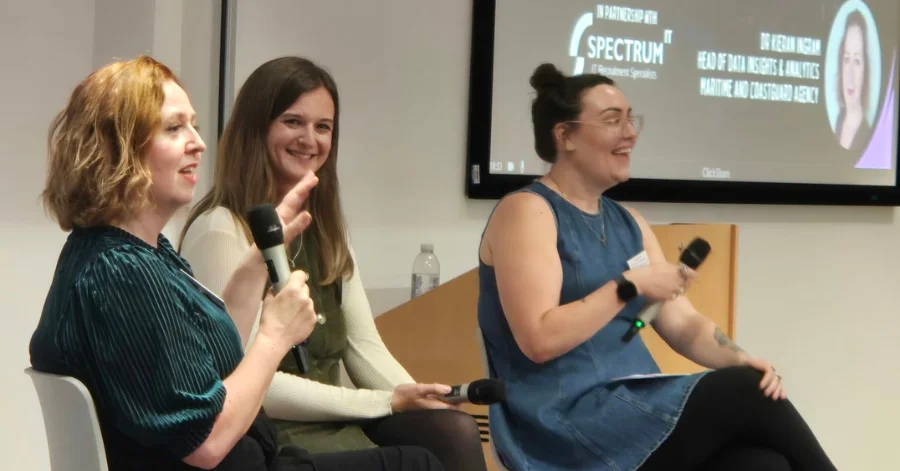
The audience also raised questions about data literacy, governance and how organisations can encourage more people to use data effectively. Anna discussed the importance of embedding data professionals alongside engineering and product teams, while Kieran described how close collaboration between data science, engineering and governance specialists works within her smaller team. Although their organisational structures differ considerably, both demonstrated how important it is for data professionals to work closely with the people using the information they produce.
Having access to data is one thing. Understanding how to use it to make better decisions is another.
Advice for anyone considering a career in data
Towards the end of the discussion, Lauren asked the speakers what advice they would give someone looking to move into data or explore a different area of the field. Kieran's advice was straightforward. "I think for me it's never been a better time to just dive in and have a go." She encouraged people to experiment with something that interests them, whether that's a personal project, a workplace opportunity or gaining experience through a secondment.
From a recruitment perspective, she explained that being able to demonstrate something you've worked on, and talk about what you've learned, can help you stand out.
Anna encouraged people not to become overwhelmed by the number of programming languages, tools and technologies available. Rather than trying to learn everything, she suggested finding a problem that interests you and developing the skills needed to solve it. Kat also encouraged curiosity and a willingness to try new things, while offering a final piece of advice around imposter syndrome. She urged women not to let self-doubt stop them from exploring opportunities, particularly when others may be more willing to put themselves forward.
You don't need to have every skill, know every technology or follow a traditional career path to find your place in data. Sometimes, the most important step is simply being willing to try.
The value of curiosity and different perspectives
If there was one theme that kept returning throughout the evening, it was curiosity.What made this particularly interesting was that all three speakers independently highlighted its importance, without knowing what the others would say.Whether it's asking questions, recognising patterns, identifying problems or finding new ways to approach challenges, curiosity has played an important role in each of their careers.
Alongside this was the value of different perspectives. Anna's experience of identifying common problems across teams demonstrated how pattern recognition, communication and an understanding of people can lead to meaningful improvements.
As AI continues to change the way we work, these human skills remain incredibly valuable. Technical knowledge can be developed, but being willing to question, explore and think differently is just as important.
A huge thank you to Anna, Kieran and Kat for sharing their knowledge, experiences and advice, and to everyone who joined us and contributed to such an engaging discussion.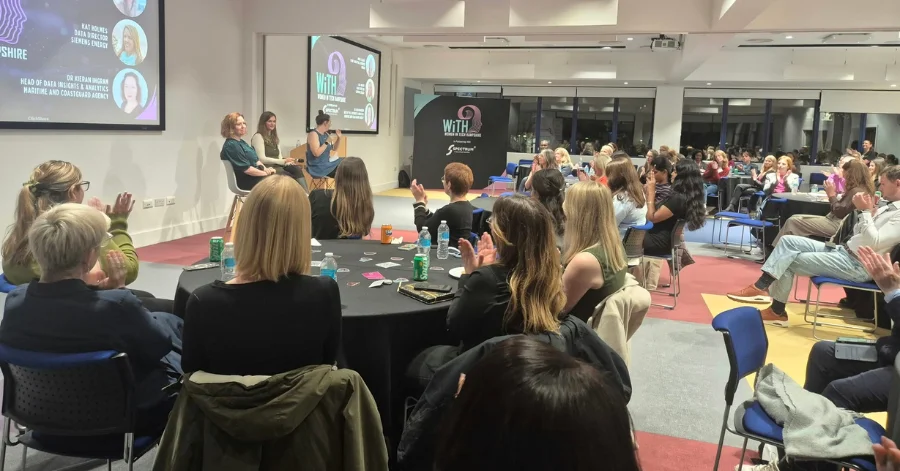
We look forward to welcoming everyone to our future events. Follow our Women in Tech Hampshire LinkedIn page for updates.